Maritime working capital · Origination

The voyage earns in 90 days.
The fuel is due in 30.

Marine Trade Finance closes that gap. Bunkers, port disbursements, canal tolls and stores, funded by a panel of specialist partners so a vessel's outgoings sit where its cash actually is.

Tenor
30–90 days, fixed at origination
Debtors
Commercial shipping worldwide
Capital
External panel MTF takes no balance sheet risk
The timing problem

Every vessel pays before it is paid

Bunkers are stemmed and due on the supplier's terms. Canal tolls are payable in full before the vessel moves. Freight settles weeks later. The difference comes out of the owner's own cash.

Day 0Day 30Day 60Day 90
Without a facilityOwn working capital absorbs the gap
Fuel due · D30
Cash gap · 55 days
Freight
With MTFSupplier paid on their terms · you repay on yours
Supplier paid · D30
Repaid on the earning cycle
Illustrative. Actual tenor is set at origination against the debtor and the trade.
How a transaction works

One platform. Both sides of the same invoice.

The same panel funds the owner who buys and the supplier who sells. Switch the view.

MTF originates, structures and services the transaction.
Capital is provided by third-party funding partners. MTF is not a party to the facility agreement.
What we finance

Fund the voyage and the vessel

Four ways we put working capital behind a vessel's costs, arranged through our panel of specialist funding partners.

For owners, operators and charterers

Bunker Finance

Deferred payment for fuel — the vessel's single largest running cost. The supplier is paid on their own terms by a funding partner; you repay on terms set to match the trade, so the fuel is funded until the voyage earns.

Port, Agency & Transit Finance

Cover for the costs that fall due before freight or hire is collected: port disbursements, agency and husbandry accounts, towage, pilotage, provisions, and canal transit dues — including Suez Canal and Panama Canal transits, where the full toll is payable before the vessel moves.

Stores, Spares & Services Finance

Lubricants, provisions, spares, repairs and technical services supplied on deferred terms, so planned and unplanned vessel costs sit alongside the earning cycle rather than the supplier's invoice date.

Equipment & Retrofit Finance

Funding for decarbonisation and efficiency projects — shore power and OPS connections, exhaust gas and emissions equipment, ballast water treatment, energy-saving devices, hull and propulsion upgrades, engine conversions and dry dock retrofit packages — spread across the working life of the installation rather than falling on a single yard invoice.

For suppliers to the fleet

Receivables Finance

For bunker suppliers, fuel traders, ship agents, chandlers and port service providers: convert invoices issued to shipowners and operators into immediate working capital.

Estimate your working capital →
Why Marine Trade Finance

Finance structured by people who know the trade.

We work exclusively in shipping and maritime services — bunkers, agency, chandlery, port services and canal transits. We understand the vessel, the cycles and the risk profile.

Where the cash goes out

A voyage spends for weeks and earns once

Not a map of offices. A map of outgoings. Every marker is a payment that falls due before the freight is collected, and a canal toll is payable in full before the vessel is allowed to move.

Cash out
Cash in
Cumulative outlay
For owners, operators and charterers

Work out the number before you call us

Enter what you spend each month on the costs you want financed, and the two dates. The figure on the right is the cash currently locked in the gap between when you pay and when you collect.

$
$
$
$
Total monthly spend$1,500,000
Working capital locked in the gap
$3.05m
Cash you are financing yourself today
Gap financed61 days
Indicative facility band$2.5m – $3.4m
StructureDeferred payment · 30–90 d
Get this scoped properly
Indicative only. Not an offer of finance. Every facility is subject to diligence, sanctions screening, funder approval and final documentation.

Supplier, agent or chandler? Use the working capital calculator.

From enquiry to funding

Five steps, one panel

01

Scope

The trade, the debtor, the tenor, the volume.

02

Screen

Counterparties, beneficial owners and vessels against OFAC, EU, UN and UK lists.

03

Structure

Recourse or not. Priced to the debtor.

04

Place

Matched to the partner most likely to approve it, not pushed through one product.

05

Fund

Facility documented and drawn.

Risk & compliance

Discipline before capital

Diligence and structure come before funding, not after — so every facility protects the funding partner's capital and the client's own relationships.

Structured

Deals are built by maritime operators — documentation that lines up, the right structure, and terms that fit how the vessel actually trades.

Screened

Counterparties, beneficial owners and vessels are screened against OFAC, EU, UN and UK sanctions lists before any deal funds.

Identified

Each receivable sits against an identified commercial debtor and a delivered transaction — no blind risk.

The toolbox

Numbers you can run before the first call

Calculators the market needs and nobody publishes properly. Each one qualifies the visitor before the first call.

01

Canal toll estimator

Suez and Panama tolls by vessel type, SCNT and laden status. Payable in full before transit, the clearest financing trigger there is.

Coming soon
02

Voyage cost builder

Route, consumption and port rotation into a single bunker, disbursement and toll figure. The number becomes the facility ask.

Coming soon
03

FuelEU & ETS exposure

Compliance cost per voyage under EU ETS and FuelEU. Feeds straight into equipment and retrofit finance.

Coming soon
04

Deal readiness score

Eight questions on debtor, documents and terms. Scored, with the gaps named, before a call is booked.

Coming soon
05

Counterparty checklist

Exactly what a funder needs to see, by structure and jurisdiction. Downloadable and shareable.

Coming soon
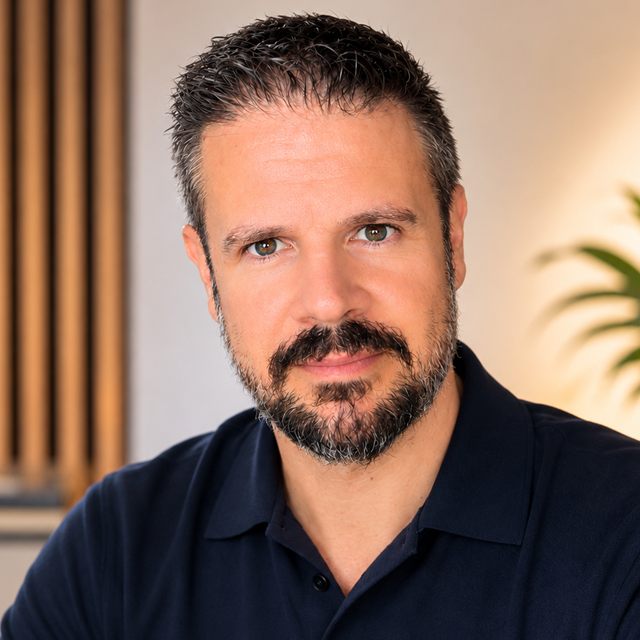
Fernando Tirado, founder of Marine Trade Finance
Founder

Fernando Tirado

Fernando Tirado is the founder of Marine Trade Finance. He works across shipping, bunkering and trade finance in EMEA, MENA and the Americas, originating and structuring short-tenor maritime receivables and placing them with an external panel of funding partners.

Company

About Marine Trade Finance

Marine Trade Finance is a trade finance origination firm focused on the shipping and maritime services sector. We work alongside a panel of specialist funding partners to arrange financing for a vessel's running costs — bunkers, port disbursements, agency and canal dues, stores, spares and services — for shipowners, operators and charterers, and to turn the invoices their suppliers issue into working capital.

The same panel funds the capital side of the fleet, where owners need equipment for maritime decarbonisation, retrofits and efficiency upgrades without committing the cash up front.

Marine Trade Finance also trades as shorepower.energy, which originates financing for shore power equipment for port authorities, terminals, EPC contractors, energy providers and equipment manufacturers. Same company, same model: origination and structuring, with capital provided by third parties.

The approach

Liquidity shouldn't wait for the voyage to end.

Most shipping finance is designed around how banks work, not around how vessels trade. Bunkers are paid before the cargo earns. Port costs fall due before hire is collected. Suppliers invoice on 30-day terms but wait 90. Marine Trade Finance exists to fix that timing problem — structuring working capital around the actual rhythm of the trade, not the calendar on a bank's system.

FAQ

Questions we're asked

How the financing works, who qualifies, and how we handle vessel and counterparty compliance.

What does Marine Trade Finance do?

We originate and structure financing for the running costs of ships — bunkers, port disbursements, agency and canal dues, stores, spares and equipment — for shipowners, operators and charterers, and we turn the invoices their suppliers issue into working capital. We arrange the facility; the money comes from a panel of specialist funding partners.

Do you provide the financing yourselves?

No. Marine Trade Finance is an origination and advisory firm, not a bank or lender. We structure each deal and place it with the funding partner best suited to the vessel, the trade and the jurisdiction, on a best-efforts basis. Financing is provided by third-party funding partners, and we are not a party to the facility agreement between the client and the funder.

Which costs and transactions can you finance?

Vessel operating costs (bunkers, lubricants, stores, spares and repairs), voyage costs (port disbursements, agency and husbandry accounts, and Suez or Panama canal tolls), equipment and retrofit projects, and the receivables owed to bunker suppliers, agents and chandlers. Tenors typically run 30 to 90 days, set to match the vessel's earning cycle.

How do you handle vessel and counterparty compliance?

Before any facility funds, we screen the counterparties and their beneficial owners against OFAC, EU, UN and UK sanctions lists, and we check the vessel's compliance — flag, IMO number, ownership, classification and P&I cover, and trading history — against the same lists. Higher-risk routes and jurisdictions are handled with enhanced due diligence. If sanctions or KYC/AML screening is not clear, the deal does not proceed.

Is security or collateral always required?

The receivable itself is the primary security — a delivered transaction against an identified commercial debtor. Non-recourse structures are available against creditworthy debtors. What else is required depends on the debtor, the tenor and the structure.

How long does the process take?

Once we have the documents and the counterparties clear diligence and sanctions screening, we scope, package and present the deal to funders quickly — delay costs our clients working capital. Timing depends on how complete the information is and on the outcome of KYC, AML and sanctions checks. No facility is committed until those are satisfied, funder approval is granted and final documentation is signed.

Which markets do you cover?

Shipping and maritime services worldwide, with hands-on operating experience across West Africa, the Middle East and Latin America. Every facility remains subject to due diligence, funder approval and final documentation.
Contact

Tell us about the trade

Owner, operator, charterer or supplier to the fleet. Send the shape of it and we come back within one business day.

Email us enquiries@marinetradefinance.com